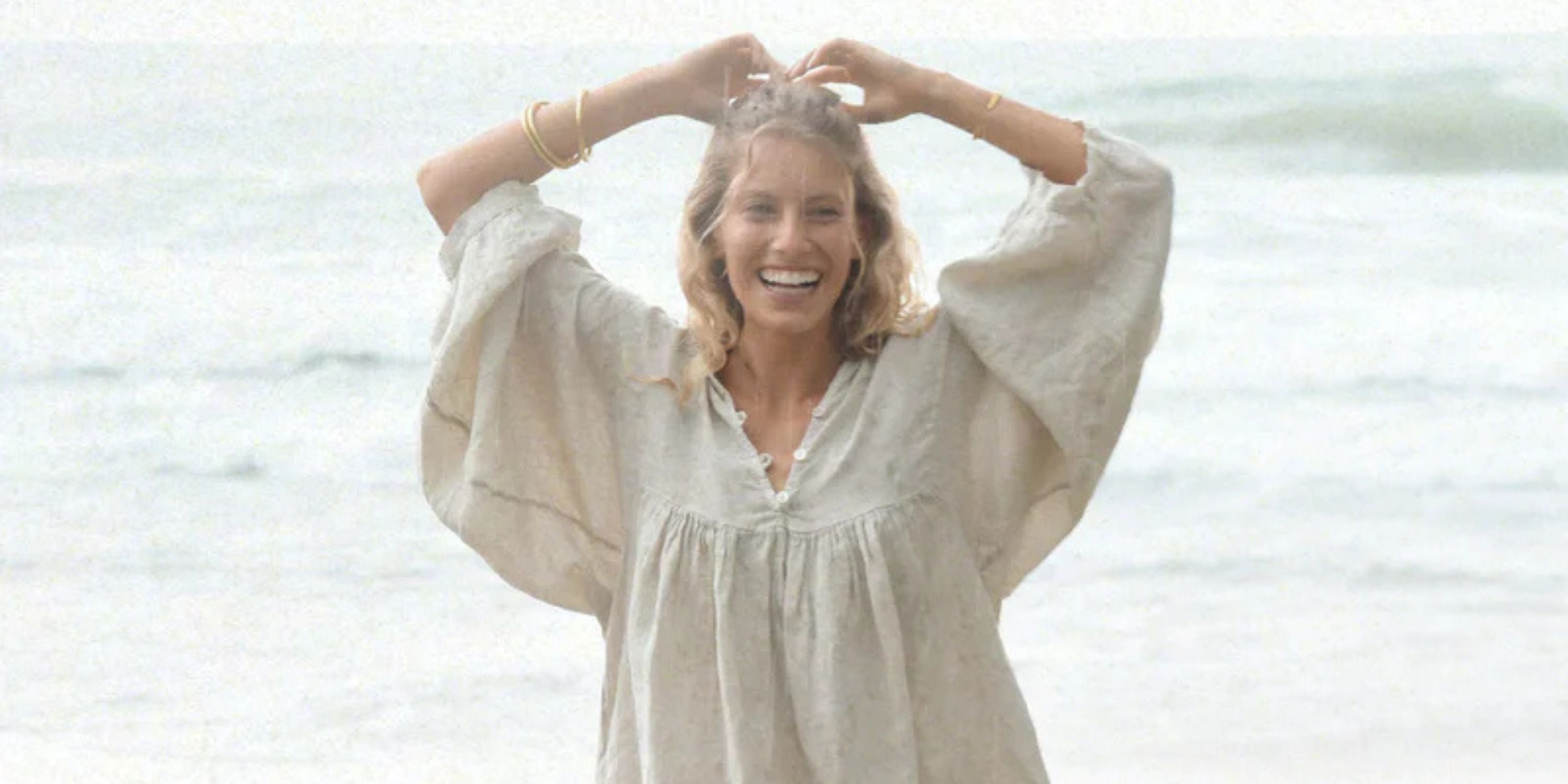
4 Sustainable Fabrics To Add to Your Wardrobe
Some days, getting dressed feels like a victory all by itself. Fabric plays a bigger role in that win than most people realize because it affects comfort, breathability, and how long your clothes stay in rotation before they end up forgotten.
When sustainability becomes part of how you shop, the whole process gets simpler because you start choosing materials that work harder for you. Read on as we break down the four sustainable fabrics to add to your wardrobe and how they show up in real-life outfits.
Organic Cotton: A Better Basic
Organic cotton shows up in the pieces that carry your week, from tees to lounge sets. The fabric can be a practical first step because it’s familiar, easy to style, and often gentle on the skin.
Why Organic Cotton Is a Strong Starting Point
Conventional cotton farming can involve heavy pesticide and fertilizer use, and that can strain local ecosystems. However, organic cotton aims to reduce that chemical load by avoiding synthetic pesticides and fertilizers. The result is often a cleaner baseline for the kinds of basics you wear again and again. Organic cotton tends to feel breathable and comfortable, which is a win when you’re chasing a little one or carrying an infant on your hip.
How to Spot Organic Cotton That Holds Up
Not every organic cotton tee is automatically a forever tee. Fabric weight matters, so a basic top should feel substantial enough that it won’t turn thin after a few washes. Construction matters, too, especially at seams, hems, and necklines where stretching and twisting usually start. If it looks slightly warped on the hanger, it will not magically behave at home.
Linen: Breathable and Timeless
Linen is the fabric that can make you look polished even when your day is not, which feels like a small miracle. It’s known for breathability, comfort, and that effortless texture that reads “put together” without trying too hard. We’ll explain why linen is often considered more sustainable, how it behaves in real life, and the easiest ways to wear it.
Why Linen Is a More Sustainable Option
Linen is made from flax, a plant often associated with lower water needs than many other fiber crops. Flax can also be grown in ways that use more of the plant, which may reduce waste depending on how it’s processed.
Linen’s durability is another sustainability advantage in itself, as long-lasting pieces reduce replacement shopping. When a garment stays in your closet for years, its overall environmental impact per wear drops in a way that actually matters.
Linen’s “Wrinkles” Are a Feature
Linen wrinkles because the fiber structure doesn’t bounce back the way some fabrics do. That rumpled texture is part of its charm, and it often looks intentional instead of messy. If wrinkles stress you out, linen blends can soften their appearance while maintaining the breathable feel. Another option is choosing relaxed silhouettes where creasing looks natural, like wide-leg pants or an oversized button-down.
Linen Pieces That Make Dressing Easier
Linen shirts work as a top layer, a lightweight jacket, or a beach cover-up, depending on how your day is going. However, for a truly easy fashion hack, linen dresses do the most with the least effort, especially when you need an outfit that can handle errands and dinner. If you want one fabric to carry you through spring and summer without drama, linen is the low-fuss friend you want in your corner.

Recycled Fibers: Smart for Performance
Recycled fabrics can keep materials in circulation and reduce demand for new petroleum-based fibers. They’re common in activewear, outerwear, and swimwear, where durability and stretch matter.
Recycled Polyester and Everyday Activewear
Recycled polyester is often made from plastic waste or textile scraps, and it’s popular for leggings, jackets, and athletic tops. It performs well because it’s durable and quick-drying. It’s still synthetic, which means it can shed microfibers during washing. However, washing less often, choosing gentle cycles, and avoiding excessive heat can help reduce shedding over time.
Recycled Nylon for Swim and Stretch Pieces
Recycled nylon shows up in swimsuits and athletic pieces that need strong stretch recovery. It can be a better alternative to newer nylon because it reuses existing material streams. For families that live in swimsuits during summer, one well-made suit that gets real wear beats a pile of trendy suits that barely leave the drawer.
Recycled Blends
Blends can improve comfort and fit, extending a garment’s usable life. The drawback is that blended fabrics can be harder to recycle later. A simple filter helps: if you’ll wear it a lot and it will hold up, it can still be a sustainable, intentional choice.
Wool: Cozy Warmth That Can Last for Years
Wool is a natural fiber known for warmth and longevity when cared for well. It’s especially helpful for cold seasons when synthetic layers can feel clammy or overly insulated. We’ll explain why wool can be a sustainable investment, how to avoid itch, and which pieces are most worth it.
Why Wool Can Be a Long-Term Win
Wool is renewable and can biodegrade under the right conditions. It also insulates well, reducing the need for bulky synthetic layers. High-quality wool pieces can last for years, and that long life reduces their impact over time. Wool also resists odor, so you can often wear it more than once before washing.
How to Choose Wool That Feels Good
If you’ve had itchy wool experiences, merino is often a softer option because of its finer fibers. Look for tight, even knits that won’t pill quickly and seams that lie flat. Wool blends can also improve softness while keeping that warmth. When comfort is high, you wear the piece more, and that’s the point of sustainability.

Building a Fabric-Forward Wardrobe
A more sustainable wardrobe doesn’t require perfection, and it definitely doesn’t require a full closet reset, mama. It works best when you start with fabrics that match your routine, your climate, and your comfort needs, then build from there. These four sustainable fabrics to add to your wardrobe all offer different strengths, so the “best” choice is the one you’ll genuinely wear on repeat.
Ready to build a more sustainable wardrobe you’ll wear on repeat? Beachwood The Label offers a women’s linen clothing collection designed for real life: breathable, timeless, and easy to style when you’re juggling everything and still want to feel put together. Linen is one of those fabrics that works harder so you don’t have to, keeping you cool, comfortable, and polished. If you’re ready to choose fewer, better pieces that feel good on your skin and make getting dressed simpler, treat yourself to linen you’ll reach for again and again.